Healing-Centered Engagement, Generational Trauma, and the Power of “How Are You?” with Christine Her of ArtForce Iowa
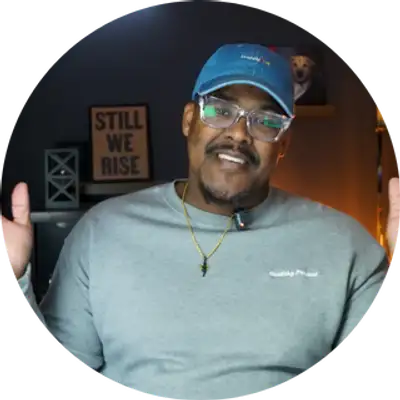
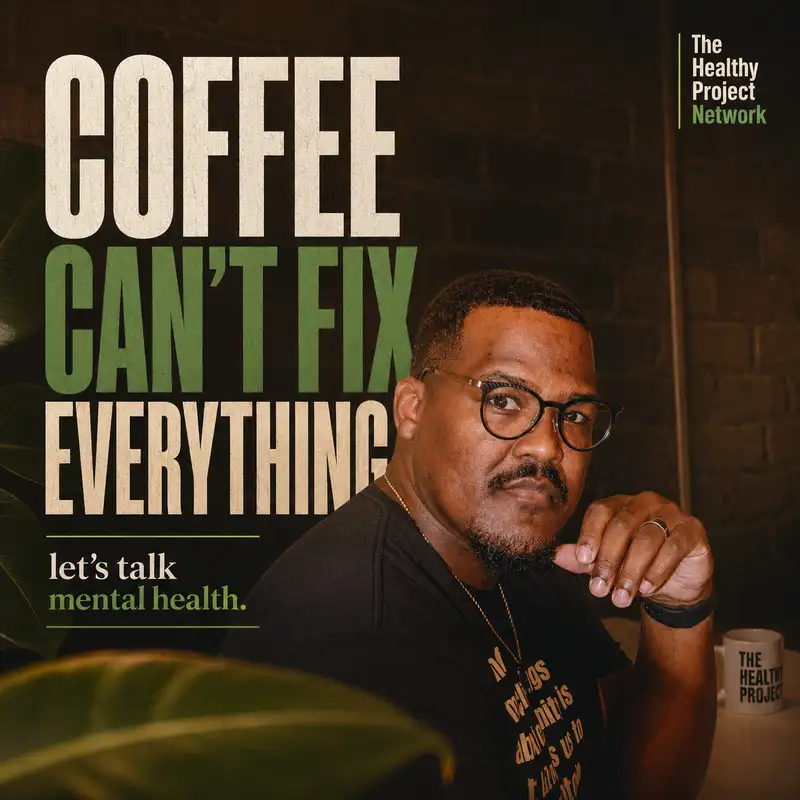
In this episode of Coffee Can’t Fix Everything, Corey sits down with Christine Her, Executive Director of ArtForce Iowa, for a raw conversation about mental health, healing-centered engagement, and what happens when we ask “How are you?” and actually mean it.
Christine shares her story as a Hmong American daughter of refugee parents, navigating generational trauma, cultural expectations, and the pressure to “be successful” while knowing art was the one thing that kept her alive. She explains how ArtForce Iowa uses creativity and community to create spaces where young people—especially those from marginalized backgrounds—can see themselves, tell their stories, and transform through art instead of being “fixed” by systems.
Corey and Christine talk about the loneliness epidemic, why community care is essential for mental health, and how healing-centered engagement moves beyond trauma-informed care by focusing on identity, hope, and collective healing. They dig into breaking stereotypes about Black men and vulnerability, what it looks like to normalize “I love you” between friends, and why you shouldn’t ask “How are you?” if you’re not ready to hold the truth.
If you’ve ever struggled with shame, family wounds, or the fear of being “too much,” this episode is a gentle invitation to stop saying no to yourself, build community, and meet yourself more deeply.
Corey is not a therapist; this podcast is for storytelling and stigma-breaking, not medical advice. If you need support, please check the mental health resources linked in the show notes.
- About today’s guest: Christine Her (Executive Director, ArtForce Iowa)
- What is ArtForce Iowa and how art becomes a space for youth to be seen, held, and heard.
- Moving from “transforming youth in need” to “creating opportunities for youth to transform through art” (dropping the savior complex).
- The “How are you?” PSA during COVID and what it taught Christine about connection, fear, and youth mental health.
- Breaking stereotypes about Black men, strength, and silence around therapy.
- Healing-centered engagement vs. trauma-informed care: focusing on identity, hope, and community-based healing.
- Generational trauma, refugee parents, and learning that “they didn’t know how to love me the way I needed.”
- Shame, “pitching a tent but not building a house,” and learning not to live where you feel like you’re the worst version of yourself.
- The powerful reminder: “Don’t say no to yourself—let someone else tell you no.”
Links mentioned
- ArtForce Iowa: https://artforceiowa.org
- Healing-Centered Engagement (Shawn Ginwright overview): https://www.boardingschoolhealing.org/resource-database/the-future-of-healing-shifting-from-trauma-informed-care-to-healing-centered
Mental health resources (with links)
https://www.iowahealthieststate.com/back-the-black
- 988 Suicide & Crisis Lifeline – Call or text 988 or chat via 988lifeline.org for free, confidential support 24/7 if you or someone you know is in emotional distress, suicidal crisis, or experiencing a mental health or substance use crisis.
- Info: https://www.samhsa.gov/mental-health/988
- Info: https://www.nami.org/advocacy-at-nami/crisis-intervention/988-reimagining-crisis-response
- Info: https://www.samhsa.gov/mental-health/988
- Mental Health America – Screening tools, educational resources, and links to local support and immediate help.
- Resources for immediate response: https://mhanational.org/resources/resources-for-immediate-response/
- Resources for immediate response: https://mhanational.org/resources/resources-for-immediate-response/
- National Alliance on Mental Illness (NAMI) – Education, support groups, and help finding local services for individuals and families.
- Find support and crisis resources via NAMI: https://www.nami.org
- Find support and crisis resources via NAMI: https://www.nami.org
- SAMHSA National Helpline – 1-800-662-HELP (4357), a free, confidential, 24/7 treatment referral and information service for individuals and families facing mental and/or substance use disorders in the U.S.
- https://www.samhsa.gov/find-help/national-helpline
- https://www.samhsa.gov/find-help/national-helpline
- Crisis Text Line – Text HOME to 741741 from anywhere in the U.S. to connect with a trained crisis counselor, free and available 24/7.
- https://www.crisistextline.org
- https://www.crisistextline.org
- Find a therapist (U.S.) – You can search for licensed mental health professionals by location, insurance, and specialty.
- Psychology Today therapist directory: https://www.psychologytoday.com/us/therapists
- Psychology Today therapist directory: https://www.psychologytoday.com/us/therapists
Creators and Guests